
Runstr
Designed for ongoing school resources, family transparency into students' school life and eligible student rewards.
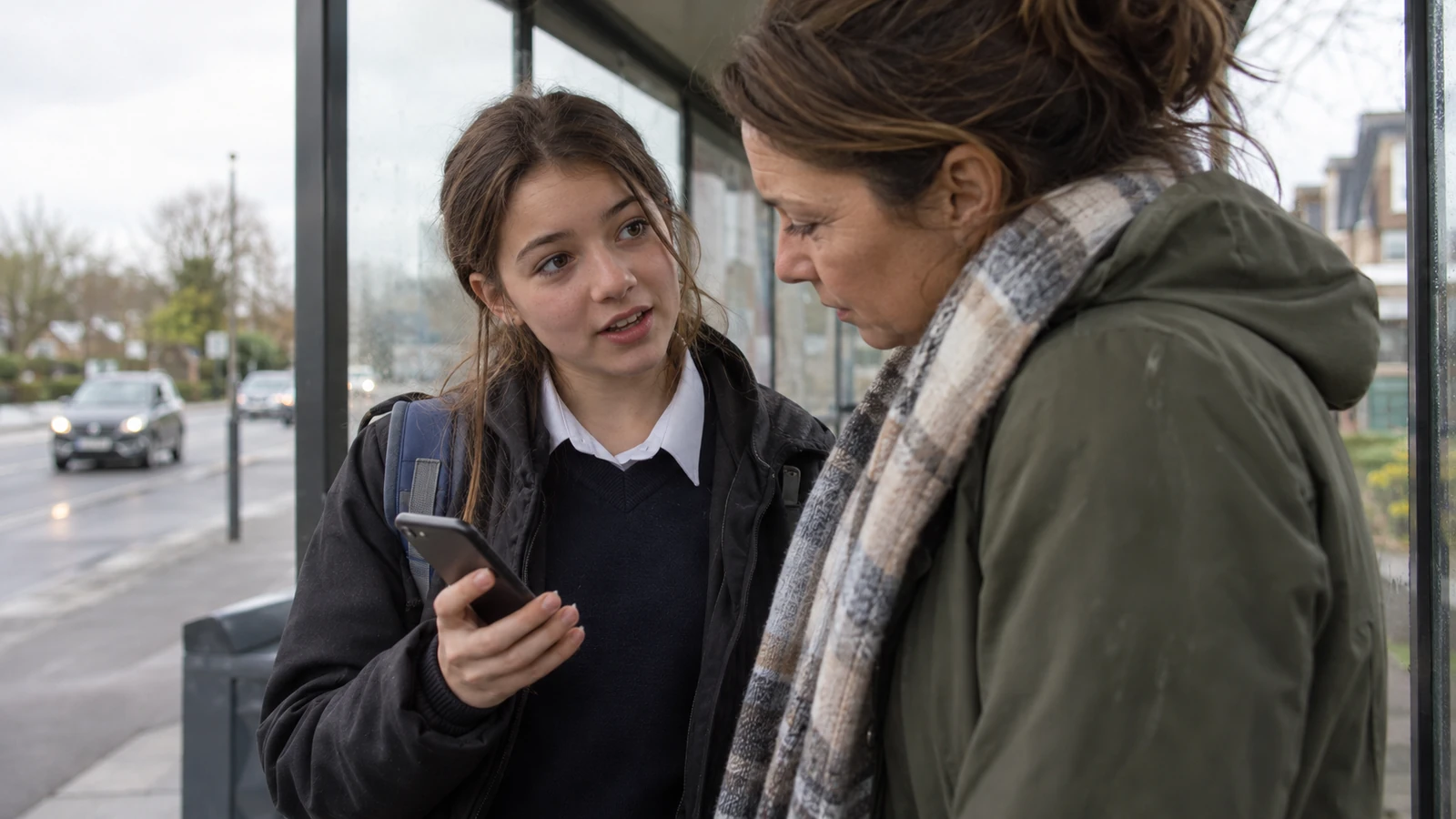

More resources for the school year.
Runstr is being developed to connect school-life stories with ongoing community support. Short Check-ins give permitted supporters something worth following; paid monthly memberships connect that relationship with school-resource pathways and a separate eligible student-reward program. The actual membership and school terms determine the benefits.
Who This Is For:
Students, families and other trusted supporters, plus teachers, coaches and school leaders. Five audience paths explain what Runstr offers each person; they do not grant account permissions.
From a school moment to ongoing support.
Start with a school need, share chosen moments and understand the monthly commitment before following the separate resource and reward paths.
1. Start with a school need.
Begin with the resources a school needs and the people behind that work. Student, Teacher, Team and School are the four profile types; a coach manages an authorized Team profile.
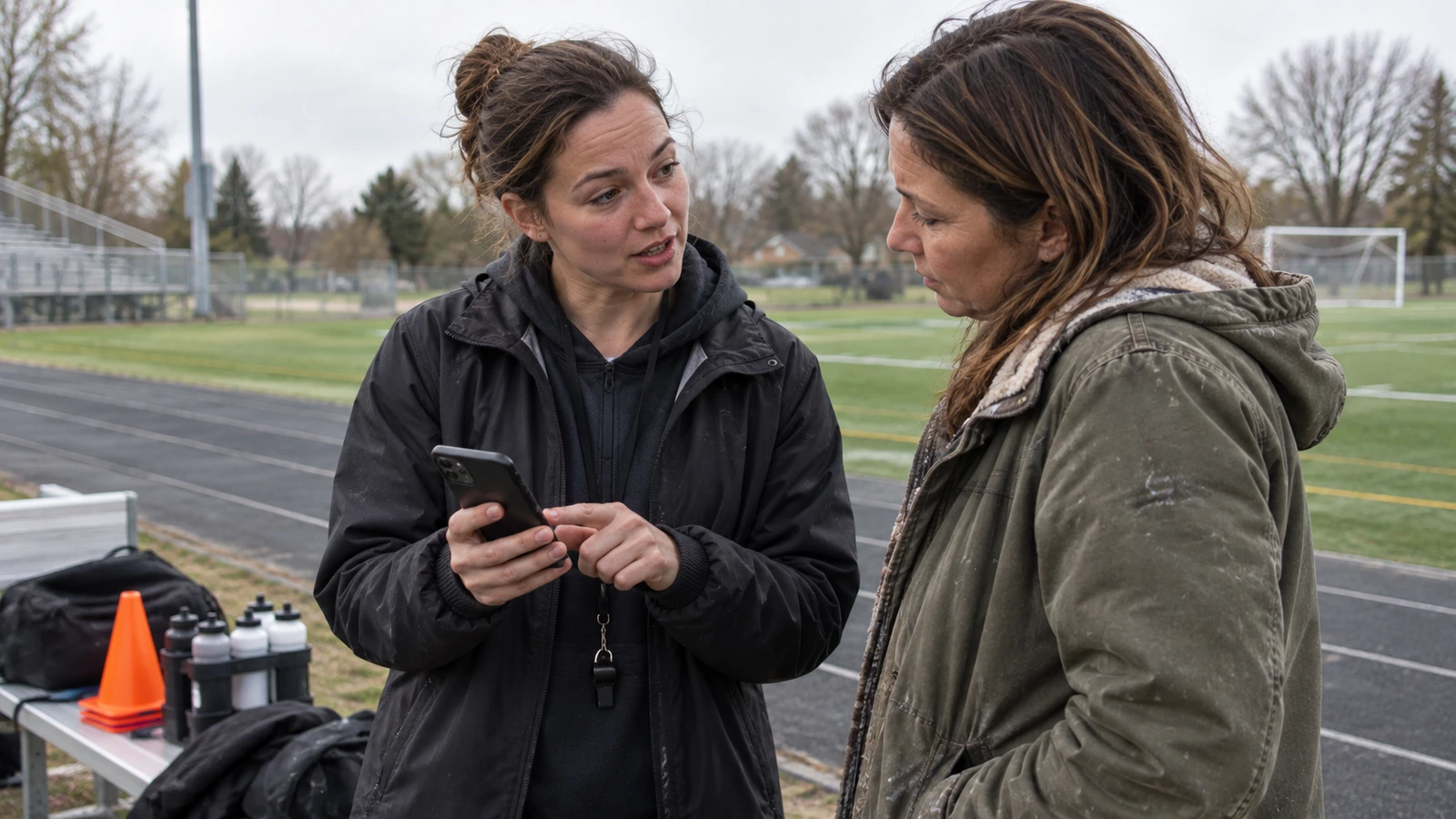
A conversation beside the field connects a team with the people following its season. A school needs more than a new place to post. It needs a clear reason for its community to get involved. A Team, Teacher or Student profile gives that reason a human face, while the school explains the resources it is working toward.
- Start With:
- Choose the Student, Teacher, Coach, School or Supporter path that fits you.
- What Happens:
- See the relevant profile, its purpose and the next step for that audience.
- Result:
- A clear connection between the people you care about and the support being invited.
The school need leads; the profile makes it personal.
Student, Teacher, Team and School are the four profile types. Coach is an authorized Team manager, not a fifth profile type.
Different people, one community.
- Student:
- The paper bridge in the next example gives a Student something specific to share: a fold being tested, not just a finished result.
- Teacher:
- A Teacher can give classroom work context, explaining what the paper-bridge experiment is trying to find out.
- Team and School:
- Team and School profiles connect their own work with school resources needed for the program. A Coach manages a Team rather than a separate profile type.
- Supporter:
- A relative or mentor follows the person behind the experiment, with permission for the updates they can see.
The profile and audience choices explain different ways to take part. 2. Share the moments that matter.
Share a short text or voice Check-in with a chosen audience. Review the words or editable transcript, add a photo if useful and let permitted Replies continue the conversation.
Text is a complete option. Posting more does not automatically earn reward points.
A small school-day moment can give a family something to talk about. Practice, a class project, a performance or a hard-earned improvement can mean a great deal to someone following from home. Check-ins are short text or voice updates; a photo can add context. Replies make the experience a conversation with the chosen audience.
- Start With:
- Pick a moment you would like your supporter circle to understand.
- What Happens:
- Write or record a Check-in, review it and choose the audience.
- Result:
- A growing record of school life that gives supporters something genuine to follow.
A worthwhile update does not have to be a trophy or a perfect report card.
Text is a complete option; voice Check-ins include an editable transcript, with photos as optional context. Posting more does not automatically earn points.
A small moment, worth following.
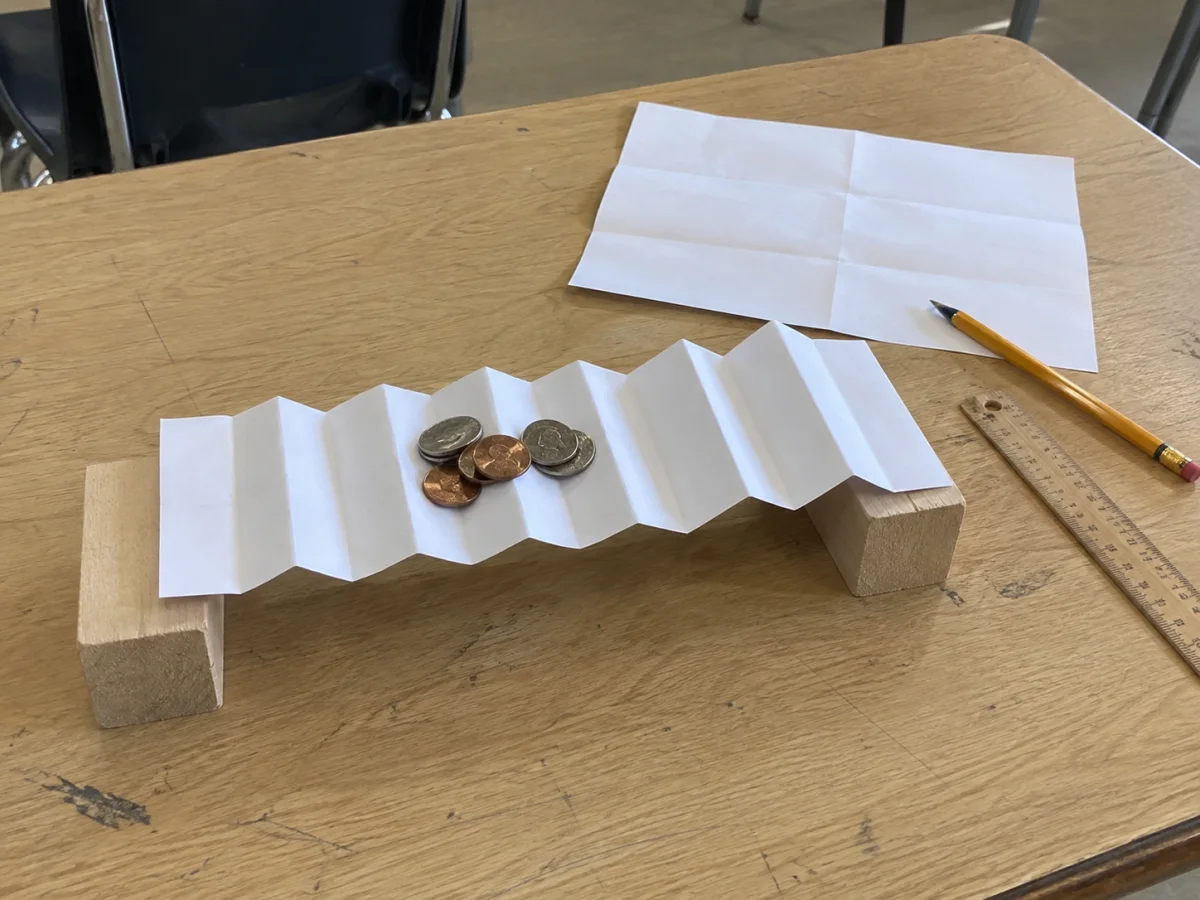
- Check-in:
- We are testing which folds make our paper bridge stronger.
- Reply:
- What changed when you added another fold?
Studio example: a school project and a permitted Check-in/Reply. Over Time: Check-ins give that progress a record the permitted supporter circle can revisit.
Written examples, not actual student or supporter posts. - Fictional Check-in:
- “We tried a different approach in rehearsal today. The part I kept missing finally clicked.”
- Fictional Reply:
- “What did you change this time? I’d love to hear about it.”
- Over Time:
- Check-ins give that progress a record the permitted supporter circle can revisit.
3. Give supporters a reason to return.
A relative or trusted supporter chooses a specific profile, then reviews its price, monthly renewal and cancellation terms. The continuing value is following preparation, discoveries and progress beyond the big announcements.
Private Student Check-ins need membership for that exact profile and separate permission, controlled by a verified linked guardian for a minor.
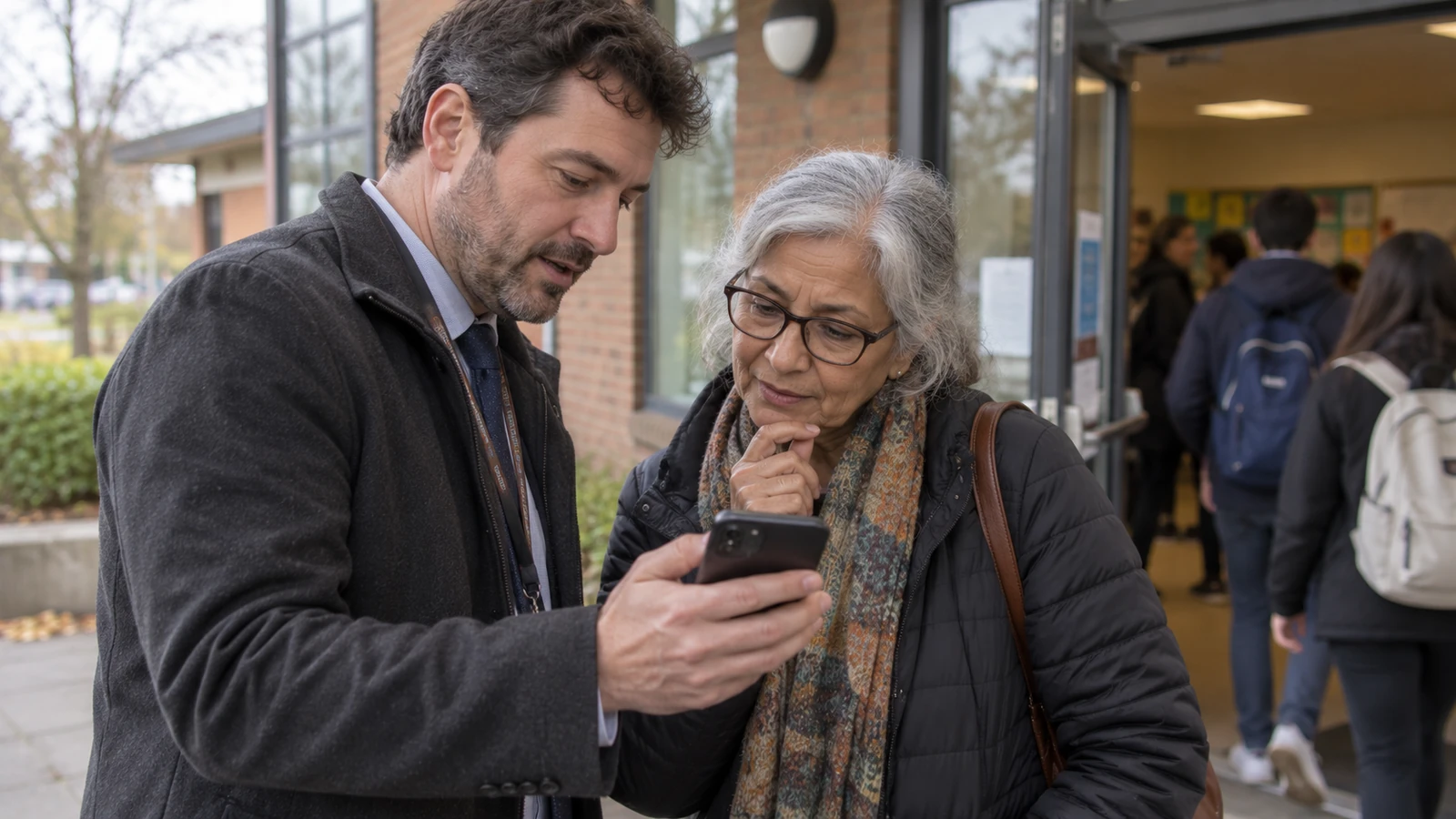
The invitation identifies whose work a supporter would follow. A membership lets a relative, mentor or other invited supporter follow the story month after month. The ongoing value is seeing the person behind the big announcements: the preparation, changes and small discoveries that are easy to miss from a distance.
- Start With:
- Understand whose updates you will follow and what the membership includes.
- What Happens:
- Review the monthly price, renewal and cancellation terms before deciding.
- Result:
- A continuing connection, with the financial commitment explained before payment.
Private Student Check-ins require both membership for that Student profile and separate access approval; for a minor, approval comes from a verified linked guardian.
What the membership includes.
- A Specific Connection:
- A supporter chooses the profile behind the paper-bridge Check-ins, not an unrestricted feed of every student's work.
- Ongoing Updates:
- Later Check-ins can show how the bridge experiment develops. Private Student updates require both membership and separate access approval.
- Clear Monthly Terms:
- The supporter reviews the actual monthly amount, renewal and cancellation terms before paying; this example supplies no price.
The published price, renewal, cancellation and access terms belong beside the actual membership offer. 4. See where the support leads.
Follow eligible personal Runstr points toward Prizes After Class separately from school resources. The school or district is the institutional recipient and determines how its allocation can be accepted and used.
Memberships are not donations. Points are not cash or personal staff payouts. Paid membership does not replace routine school-family communication.
Two distinct benefits.
- Student Rewards:
- Eligible Runstr points lead toward product choices under the separate earning and redemption rules.
- School Resources:
- School allocations follow the institution’s documented acceptance process, with amounts and timing stated in its agreement.
The reward and institutional arrangements determine eligibility, amounts, timing and fulfillment. The model connects qualifying memberships to two different outcomes: eligible personal prizes and school resources. Prizes After Class makes the reward choices visible. The school or district determines how its school allocation can be accepted and used; those terms must be clear before participation.
- Start With:
- Look at the benefit explanation for the relevant profile and school arrangement.
- What Happens:
- Follow personal reward progress separately from school-resource progress.
- Result:
- An understandable account of what is earned, what can be selected and what happens next.
Amounts depend on the actual membership rules and school agreement, not a promise of unlimited funding.
Memberships are not donations; reward points are not cash or personal staff payouts. Eligibility, amounts, timing and delivery are explained in the membership rules and the school agreement.
- Student Rewards:
- Eligible Runstr points lead to product choices in Prizes After Class.
- School Resources:
- Institutional support follows the school’s agreed acceptance and use process.
- Next Steps:
- The relevant product explains eligibility, timing and fulfillment.
More resources for the school year.
Runstr brings school-life stories and continuing community support into one relationship. Students, teachers, teams and schools can share chosen updates with permitted audiences; monthly supporter memberships are intended to support school-resource pathways and a separate eligible student-reward program. Runstr remains in development, with availability and final terms stated separately.
Runstr is Education Angel Group's planned membership and participation product for school communities. A Check-in shares chosen school-life context, and a permitted Reply can add encouragement or a useful perspective. Student, Teacher, Team and School are the four profile types; a coach manages an authorized Team profile. Families and other trusted supporters can take part through monthly memberships under the actual terms.
Payment alone does not grant access to private Student Check-ins: access requires an active membership for that exact profile and independent permission, controlled by a verified linked guardian for a minor. Runstr does not replace routine school-family communication with paid access. Membership-based resource allocations follow the school or district's documented acceptance process.
Eligible student points and prizes follow their own earning and redemption rules through Prizes After Class; posting more does not automatically earn points. Institutional resources, personal rewards and any additional Aspiring Challenge award are distinct. None is a promise of unrestricted cash, tax deductibility or guaranteed school receipts.
Make ongoing support worth coming back to.
More resources for school. Start with a concrete need and explain how memberships contribute through the school’s agreed process.
Stories worth following. Short Check-ins and Replies share the practice, discoveries and progress behind the big announcements.
Rewards you can picture. Eligible Runstr points lead toward products in Prizes After Class, separately from the school’s resource benefit.
Support by choice. Supporters review a paid monthly commitment. Payment alone does not open a child’s private content.
The intended experience connects a useful school goal with a relationship people already care about. These four steps show how the stories, memberships and benefits fit together.
Runstr brings funding needs and human connection into the same story. Aspiring Innovators can introduce a team through a Challenge; Runstr is where its ongoing supporter relationships live. Runstr is the heart of Education Angel Group: the place where the stories, supporter relationships, rewards and school-resource paths meet. Routine school-family communication is not replaced by a paid membership. Discover Aspiring Innovators for the group Challenge, or Prizes After Class for the rewards destination.
The Thinking Behind It:
A review of school-resource pressures, supportive relationships and incentives, with the proposed Runstr membership model kept separate from measured results.
Product results should be judged from actual participation and delivery. Research about a wider topic is not proof of a particular school’s income, membership retention or an outcome from Runstr.
Explore the ResearchWhat Happens Next:
Relaunching in January 2027
Runstr is in development. The published timing is a plan; this Discover page explains the experience rather than providing the product itself.
Explore the family.

Aspiring Innovators
Group Challenges help school teams and clubs rally community support for the resources their activities need.