Parents Need More
A publication for parents and caregivers, with school-life explanations, family perspectives and useful questions.
You should not have to figure it all out alone.
Parents Need More is being developed for the school message you want to understand, the meeting you want to prepare for and the ordinary family experience worth reading about. Sourced articles and real family perspectives offer context; an optional question sheet can help you decide what to ask next.
Parents Need More is a planned publication within Education Needs More, Education Angel Group's editorial umbrella. Its articles cover school conversations, routines and everyday school life in a warm, specific voice. Sources and local limits help readers distinguish general context from what their own school can answer. Genuine family accounts are attributed and permissioned, not invented as testimonials or presented as universal experience.
Selected articles can include a reviewed question sheet or checklist that a reader prepares locally without supplying a child's records. The publication does not diagnose a situation, issue a personalized advice verdict or default to confrontation with a school. Ordinary reading requires neither an account nor a private message. Reading, interviews and Runstr membership are independent choices, with no compulsory supporter invitation at the end of an article. Availability remains in development.
Public reading is free and account-free. Optional saved actions use Runstr with product-specific permission; protected EAG Resource Kit actions retain their separate access rules.
Who this is for
Parents, guardians, families and caregivers looking for useful school-life context and perspectives they can recognize.
Helpful reading without the extra pressure.
Understand what is happening. Clear articles explain school-life questions and offer useful possibilities without treating one family’s routine as everyone’s answer.
Hear from other families. Parent perspectives, planned interviews and reader suggestions make room for the less polished parts of a school year.
Understand the situation. Find your next conversation.
Planned experience
The planned publication moves between practical reading and the experiences behind it. This sample shows how a family might prepare for a school conversation and contribute a topic of its own.
1. Find a familiar school-life question.
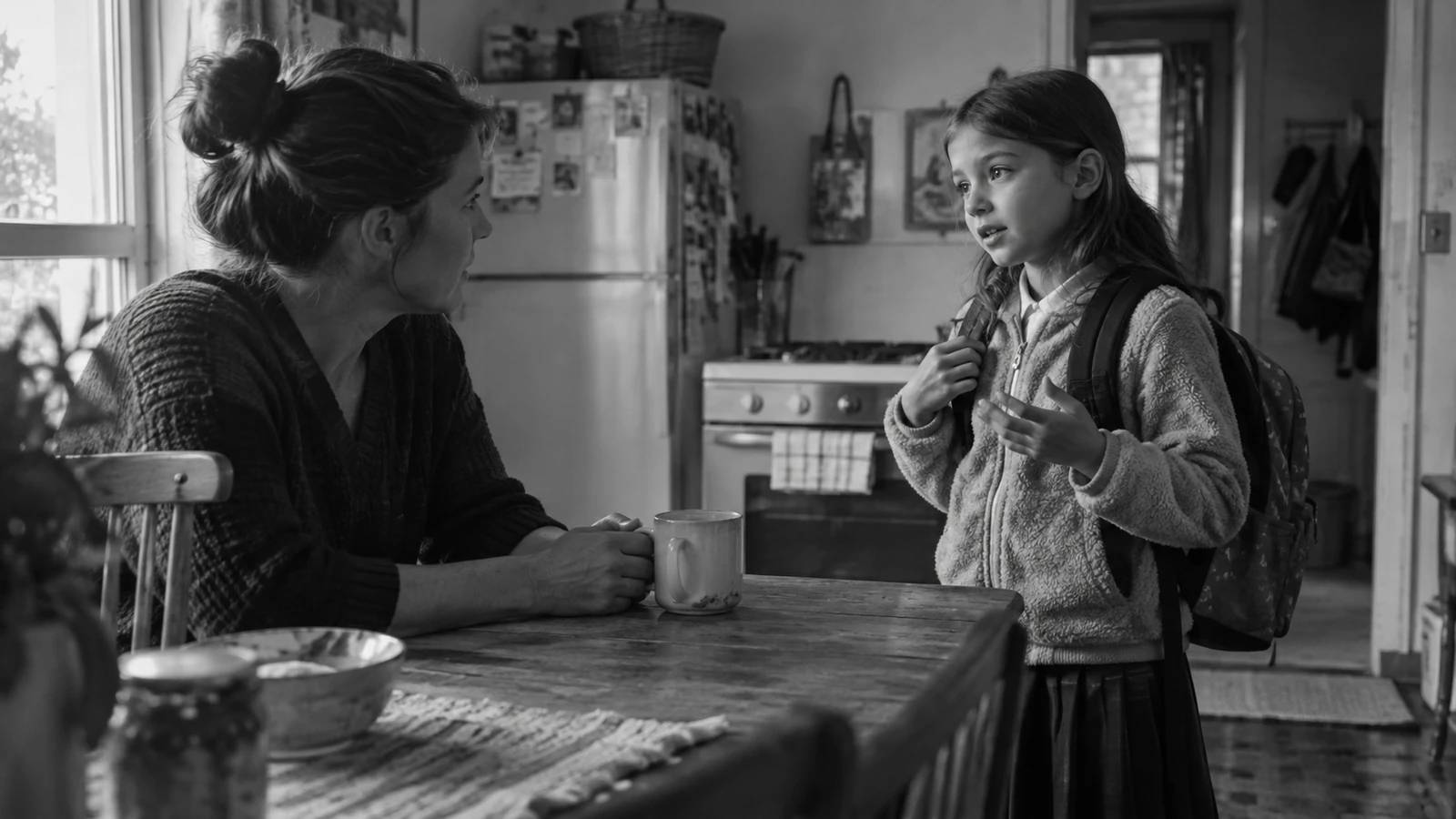
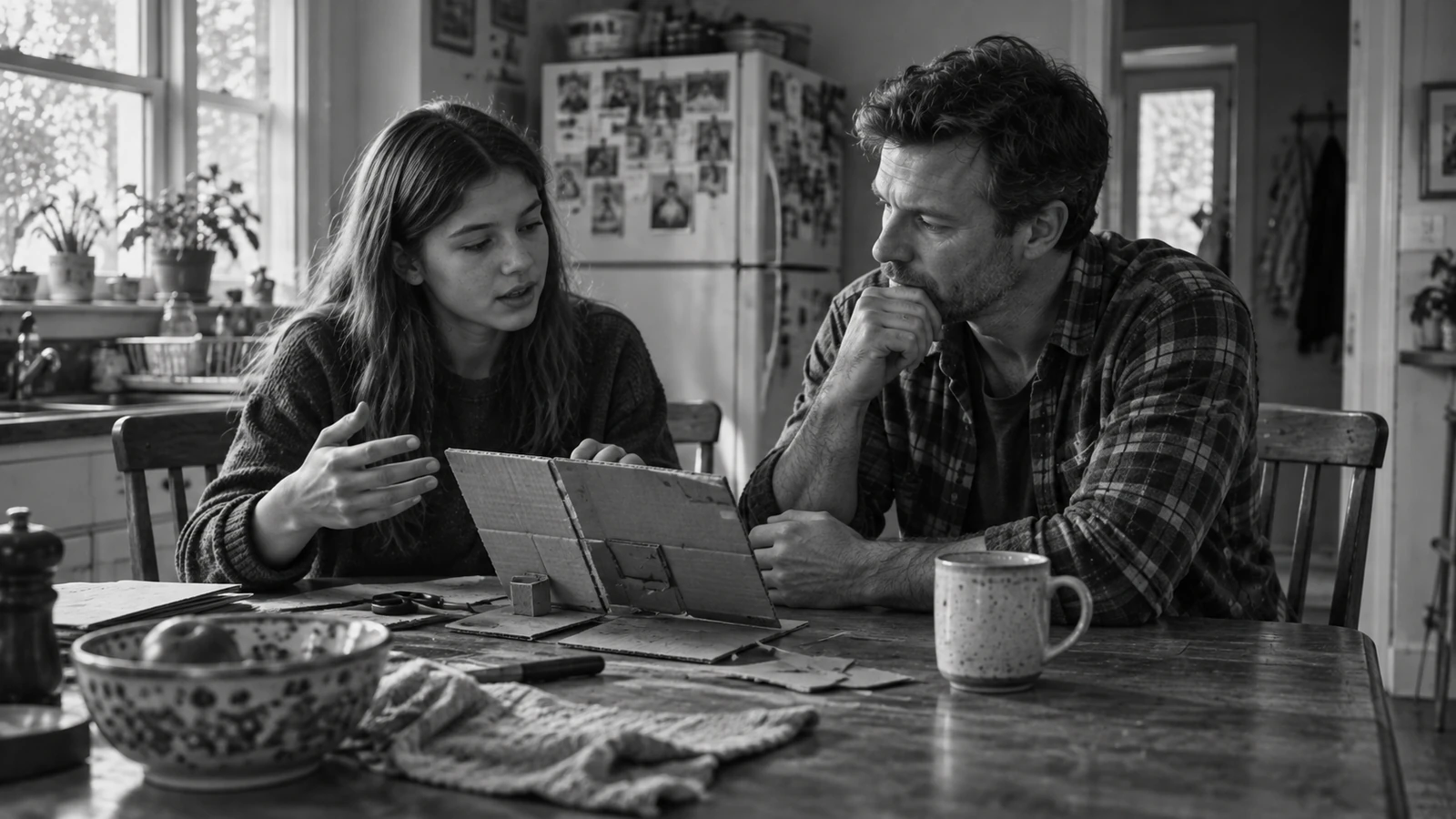
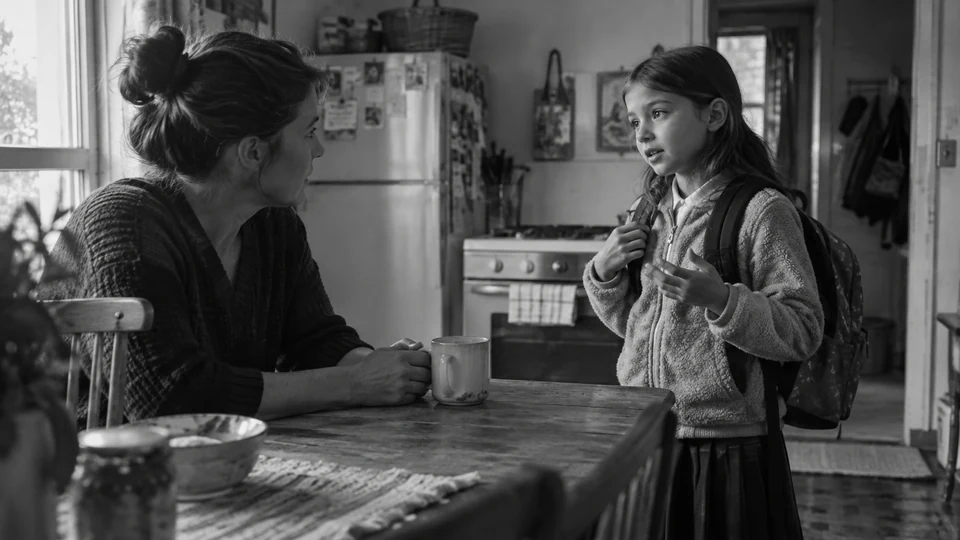
An article can begin with a familiar moment: parent–teacher night, a confusing note, an unfinished project or a child who has little to say about the day. Its job is to add context and useful possibilities without deciding what your family must do.
- Start with
- Choose a topic that resembles the situation you are navigating.
- What happens
- Read the explanation, examples and perspectives behind it.
- Result
- A clearer sense of the issue and a few ideas worth considering.
Being a useful parent resource does not require turning an ordinary concern into a crisis.
Sample feature
Preparing for a school conversation.
- The situation
- You want to understand a message or a concern before deciding what to do.
- The feature
- A readable explanation with examples and source notes.
- A useful companion
- Questions you can take into the conversation.
- Another perspective
- Genuine family accounts can join the coverage as interviews are arranged.
A sample publication feature, not a completed interview or a personalized case. 2. Read with context, not pressure.
A useful explanation lets you see where it came from. Sources, practical examples and clearly attributed family perspectives help you distinguish a checked fact from an idea to consider. An article can help you prepare a conversation without deciding what a teacher or family must do.
- Start with
- Open the feature that matches your question.
- What happens
- Read the explanation with its sources and any limits that matter to your situation.
- Result
- Context for a thoughtful question, rather than a verdict about your child or school.
An article can help you ask a better question without becoming a diagnosis or a promise about the answer.
Sample article outline
Inside the explanation.
- Article
- Why a school conversation benefits from a clear purpose.
- Example
- A way to ask for specifics without starting with an assumption.
- Sources
- Where factual statements came from and what remains uncertain.
- Corrections
- A route to flag a factual problem to the publication.
Proposed article structure, not an existing publication or a family testimonial. 3. Choose a few useful questions.
A practical companion can help turn reading into a calmer conversation. Select a few questions, put the most important one first and leave space for the answer. You can do this without uploading a report card, naming your child or sharing personal school records.
- Start with
- Choose the questions that matter most to your family.
- What happens
- Adapt the wording and put them in an order that feels natural.
- Result
- A short guide for the conversation, not a script you have to follow.
The right starting point may be one well-chosen question rather than a long list.
Sample question card
Questions you can make your own.
- Understand
What are you noticing, and when does it happen?
- Clarify
What would progress look like from here?
- Agree the next step
What should we each try, and when should we check back?
Prepared questions, not personalized advice. No child’s name, grades or private records are needed. 4. Take it into the conversation.
Keep the questions you chose and leave room for the answers. A printable companion, where available, can stay with you rather than in another open tab. Afterward, the question you still have may also suggest a topic for Parents Need More. Start any story proposal with an outline, not your child’s private records.
Suggest a topic for Parents Need More
- Start with
- Bring the questions that matter most to your family.
- What happens
- Ask, listen and agree on a manageable next step and a time to check back.
- Result
- A focused conversation guide and a clearer idea of what still needs explaining.
The guide is yours to use. Sharing an experience with the publication is a separate, optional choice.
Sample conversation guide
Before, during and after.
- Bring
- Your selected questions and space to note the answers.
- Discuss
- What each person is noticing and what to try next.
- Check back
- Agree when to review the next step; keep any private notes with you.
A prepared example, not a downloadable file or live print control on this Discover page.
Parents Need More is a publication, not another private case to open or a service that decides a child’s needs. It combines useful reading with a place for family questions and perspectives. Topic suggestions can help shape future coverage; interviews and publication of personal stories require a separate conversation and permission. Public article companions are distinct from the separately governed EAG Resource Kit actions.
The thinking behind it
How caregivers understand school information, interpret family perspectives and decide what still needs a local answer. The review considers explanations, existing guides and optional question preparation without assuming every family needs another task.
School-choice displays and selected Oakland interviews answer different questions. Liking a format is not the same as understanding it, and an account does not establish prevalence. These sources do not evaluate Parents Need More.
Explore the researchWhat happens next
Planned for December 2026
Parents Need More is in development. The published timing is a plan; this Discover page explains the experience rather than providing the product itself.
Ask about this product and its plans. Please leave out private student details.